
Guidance on Selection
Selecting the right components and partners is pivotal for any project involving metal frameworks. First, prioritize the engineering specifications for all metal connections and steel hardware; these should be dictated by structural load calculations, not guesswork. Examine the track record and expertise of any team providing installation services or fabrication work. Ensure they have proven experience with the specific type of steel assembly or metal framing your project requires. Clear communication and detailed planning are as important as the physical materials themselves.
Furthermore, always consider the environmental and usage conditions the support structures will face. This will guide choices regarding material coatings, grades, and connection types for all metal joints. Request documentation and certifications for all major components that make up your steel systems. A reliable partner will be transparent about their sourcing and manufacturing processes. Finally, view the structure install phase as a coordinated system where every part, from the smallest bolt to the largest beam, must work in harmony.
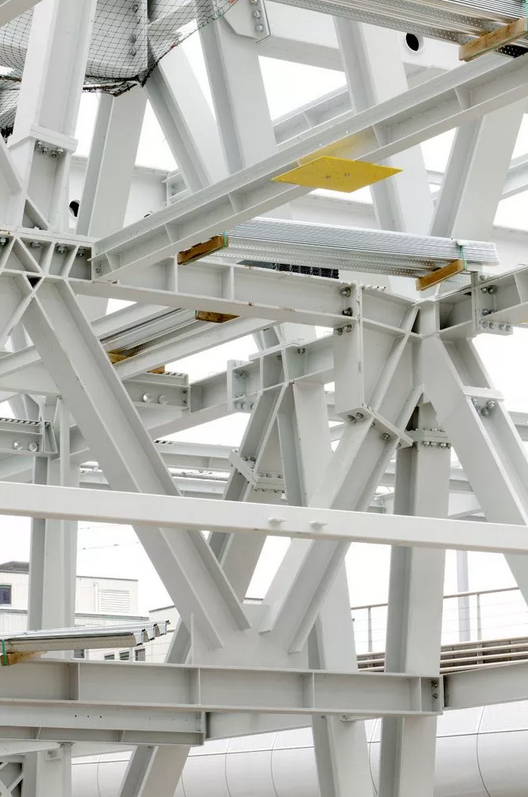
Prioritize Detailed Specifications
Never proceed with vague plans. Insist on comprehensive drawings that detail every metal connection and piece of steel hardware. This clarity is essential for accurate fabrication work and prevents errors during steel assembly.
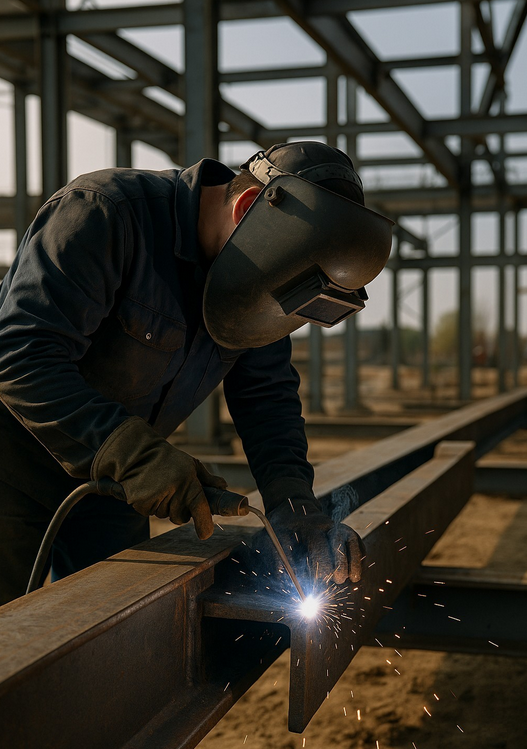
Verify Partner Credentials
Assess the specific experience a team has with your project’s type of metal framing and structure install. Request case studies or references that demonstrate their capability with similar support structures and steel systems.

Plan for the Entire Process
Understand that installation services are the culmination of design, material selection, and fabrication. Ensure there is continuity and communication between all stages, focusing particularly on the critical interface of metal joints.